Rental Property Due Diligence for Investors: Leases, Not Projections
Before you buy, confirm key areas: finances, market, physical condition, legal and lease terms, environmental hazards, tenants, and insurance. Start by verifying actual rent collections against signed leases and keep an inspection contingency open. Back your numbers with IRS Publication 527 for depreciation and the EPA lead-disclosure rule for pre-1978 homes.
TL;DR:
- Remove isolated repairs and costs unique to the seller from twelve months of expenses, then calculate net operating income, debt coverage, and cash returns.
- Build rent assumptions from comparable units, concessions, and nearby construction, then test lower growth and higher vacancy to find the price at which returns fail.
- For homes built before 1978, confirm lead disclosures and allow 10 days for inspection; check FEMA flood maps and get an insurance quote.
- Schedule inspections early, reconcile leases, rent rolls, bank records, and expenses, and negotiate documented repairs or credits before removing contingencies.
Table of Contents
- How do you verify income, expenses, and returns?
- How do you test rent and vacancy assumptions in the market?
- What belongs on a rental property inspection checklist?
- Which title and lease issues change a deal’s value?
- Which environmental checks should you run early?
- How do you validate tenants and the rent roll?
- How do you reconcile insurance and operating expenses?
- What does the closing timeline look like?
- What do property managers check on day one?
- Why I treat due diligence as a discipline
- How we help you carry out this checklist
- FAQ
- Sources
How do you verify income, expenses, and returns?
Your underwriting model is only as good as the documents behind it. Ask the seller for the rent roll, the trailing twelve months of income and expenses (the T-12), leases, and bank statements, then make them agree with each other.
- Match every rent roll entry to a bank deposit and a signed lease.
- Check concessions, free-rent periods, and delinquency history unit by unit.
- Normalize the T-12 by pulling out one-time repairs, owner-paid items, and related-party expenses.
- Calculate net operating income (NOI), debt service coverage ratio (DSCR), and cash-on-cash return.
- Model vacancy and turnover costs conservatively instead of assuming full occupancy.
Freddie Mac’s appraisal guidance points the same direction. It tells underwriters to model actual rent collections and current lease terms rather than assuming 100% market rents, since market-rent projections ignore lease expirations and turnover costs.
Depreciation deserves a careful read. Depreciation lowers your tax basis and affects gain or loss calculations, but it is not cash. Publication 527 explains how basis, recovery period, and method work, so treat it as a tax line, not as money in your pocket.
If you plan to finance, this investor-lender checklist on rental records, rents, and tax documents shows what lenders will ask to see.
How do you test rent and vacancy assumptions in the market?
A property does not compete in a national average. It competes with the buildings your tenants would realistically choose instead, so your assumptions should come from that set.
- Pull rent comps from listings, local property managers, and your own calls to nearby buildings.
- Match on unit mix, size, age, amenities, and current concessions, not just asking rent.
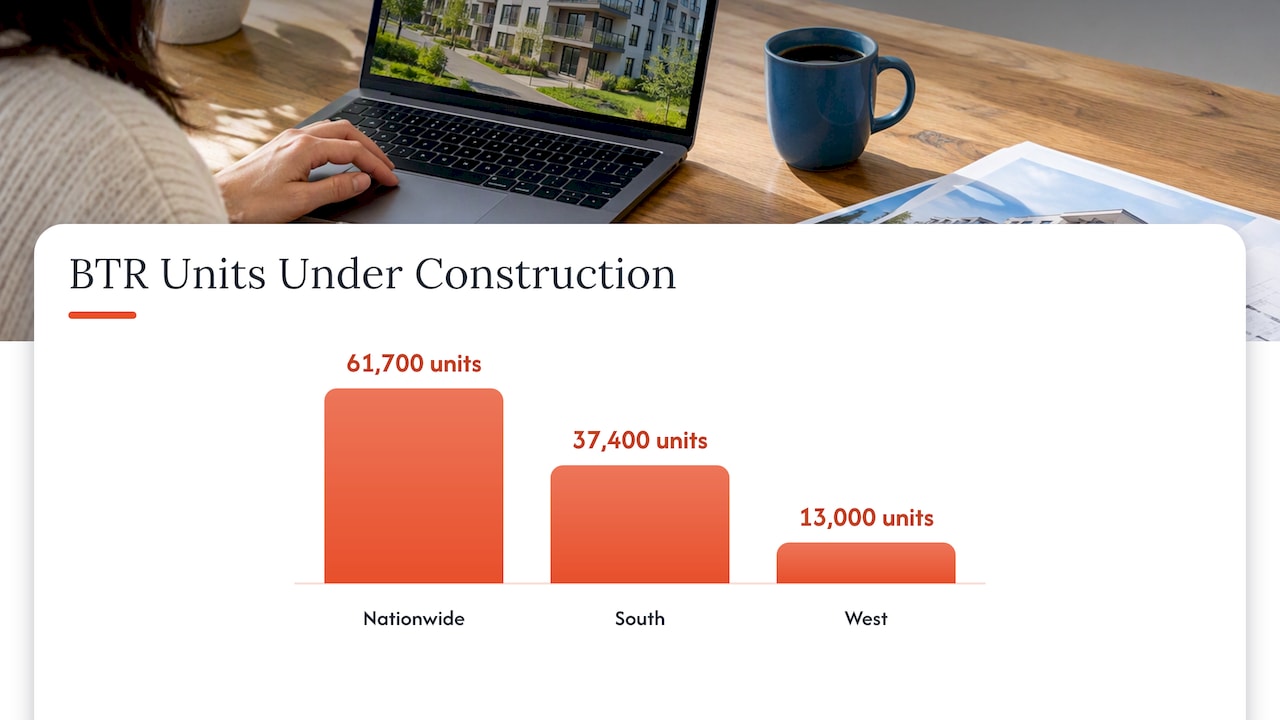
- Look at how many new units are being delivered nearby, because supply drives concessions.
- Build a weak-rent scenario with lower rent growth and higher vacancy, and write down how far the numbers can slip before the deal breaks.
Supply matters more than most first-time buyers expect. Freddie Mac’s 2025 multifamily outlook notes that high new supply in some regions is pressuring rent growth and keeping vacancy above historical averages. If your submarket is absorbing a wave of new construction, trim your rent growth and budget for incentives.
Document your sensitivity table. Showing what happens at weaker rents tells you what price you can pay and still sleep at night.
What belongs on a rental property inspection checklist?
Hire a licensed inspector, but walk the property yourself with a list. Findings here become repair estimates, and repair estimates become negotiating leverage.
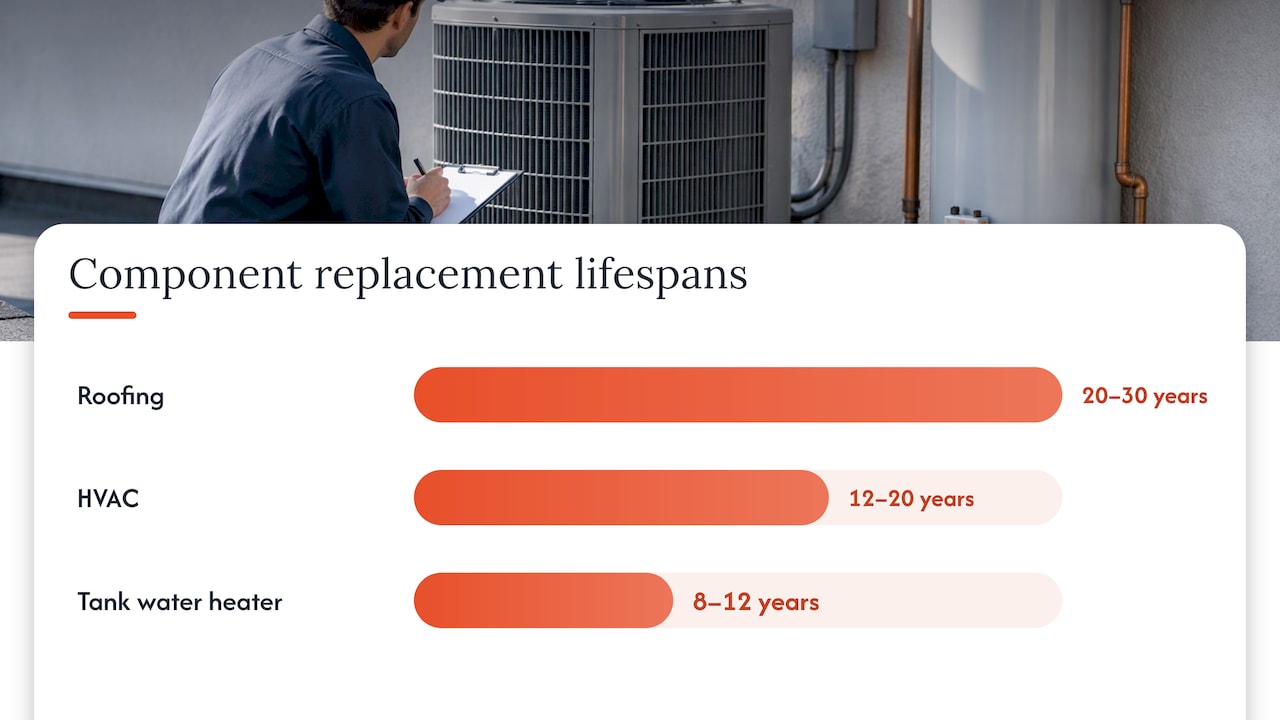
- Roof: age, patches, flashing, sagging, and interior stains below it.
- Foundation and structure: cracks, uneven floors, sticking doors, and settlement.
- Drainage and exterior envelope: grading, gutters, siding, windows, and any sign of water infiltration.
- HVAC: age, service records, and whether each unit has its own system.
- Plumbing and electrical: pipe material, water heater age, panel type, and visible defects.
- Appliances: ages and condition, since you will own every replacement.
- Moisture, mold, and pests: staining, odors, soft drywall, droppings, and damage.
- Maintenance records: invoices for repairs, which show what keeps failing.
Visible mold is rarely the whole problem. OSHA guidance notes that surface mold often signals moisture trouble from roof leaks, drainage, or poor ventilation, and that remediation fails unless the moisture source is fixed. A roofer’s view helps too: this roof inspection guide explains how to scope repairs before committing to them.
Pro Tip: Ask for a written repair estimate on every major item before your contingency expires, then subtract those costs from your offer instead of absorbing them after closing.
Which title and lease issues change a deal’s value?
Legal review protects you from buying problems you cannot see on a walk-through. Order the documents early so surprises arrive while you can still negotiate or walk away.
- Order a title search and confirm vesting, recorded liens, and easements.
- Read every lease for rent, term, concessions, automatic renewals, and pet or utility terms.
- Request records of every security deposit and where the funds are held, since deposits transfer with the property.
- Collect tenant communications, notices, and any open disputes or repair requests.
- Confirm required disclosures, including lead-based paint for homes built before 1978.
Leases that look fine on a rent roll can hide trouble: a below-market renewal option, an unrecorded rent concession, or a month-to-month tenant who is really a former owner’s relative. Compare each lease line against the rent roll and flag any mismatch in writing.
If a number in the seller’s package disagrees with the lease, trust the lease and ask the seller to correct the package. A seller who resists correcting it is telling you something about the rest of the file.
Which environmental checks should you run early?
Environmental problems change insurance, repair budgets, and your legal exposure, so run them while your contingency is still open. Three matter most for first-time buyers: lead, flood, and mold.
- Lead: For housing built before 1978, sellers must disclose known lead-based paint information, provide the EPA pamphlet, and allow a 10-day window for a risk assessment or inspection, per the EPA’s disclosure guidance. Our own guide explains what property managers need to know about lead paint disclosure.
- Flood: Check FEMA flood maps before you get attached to the property.
- Mold: Treat it as a clue to find the moisture source, and bring in an environmental professional when the affected area is large.
- Insurance history: Ask for past claims, nonrenewals, and any use of a state FAIR plan.
The CFPB notes that new owners face current risk-based flood insurance pricing, which can differ materially from the seller’s legacy costs.
How do you validate tenants and the rent roll?
The rent roll is a claim, not a fact, until you prove it unit by unit. Treat tenants as the revenue you are actually buying.
- Compare each rent roll line to the signed lease and to bank deposits for several months.
- Record lease expiration dates and map them on a calendar to forecast near-term vacancy and turnover cost.
- Review the seller’s screening files and vendor practices for accuracy and fair-housing compliance. HUD’s screening guidance recommends vendors that disclose data sources and let applicants dispute errors.
- For small multifamily, confirm each tenant’s deposit and payment history individually, because averages hide the one unit that never pays on time.
Strong collections protect cash flow. Our walkthrough of the rent collection process shows what consistent collection looks like day to day.
How do you reconcile insurance and operating expenses?
Seller expenses describe the seller’s ownership. Yours will differ, and insurance is usually where the gap is largest.
- Request current policies, available claims history, and any notices of nonrenewal.
- Strip out one-time items, related-party charges, and capital expenditures to find sustainable NOI.
- Replace the seller’s insurance line with a real quote for your coverage and deductibles.
- Add flood and liability cost increases to your sensitivity scenarios.
- Check property taxes for a reassessment after sale, since many jurisdictions reset them.
If the corrected expense line cuts NOI meaningfully, restate your offer on the corrected number. Price follows NOI, so do not pay for expenses the seller never really carried.
What does the closing timeline look like?
Treat the inspection window as a project with deadlines, not a waiting period. Work backward from the day your contingency expires.
- Hire inspectors and schedule them in the first days.
- Collect repair estimates for every finding that matters.
- Reconcile the rent roll, T-12, leases, and bank records.
- Order title work and an insurance binder.
- Ask for a price reduction, repairs, or credits based on documented findings, and remove contingencies only after each check is complete.
At closing, confirm delivery of the title policy, insurance binder, lease assignments, deposit transfers, and tenant records. The seller is responsible for the records; you are responsible for verifying them.
What do property managers check on day one?
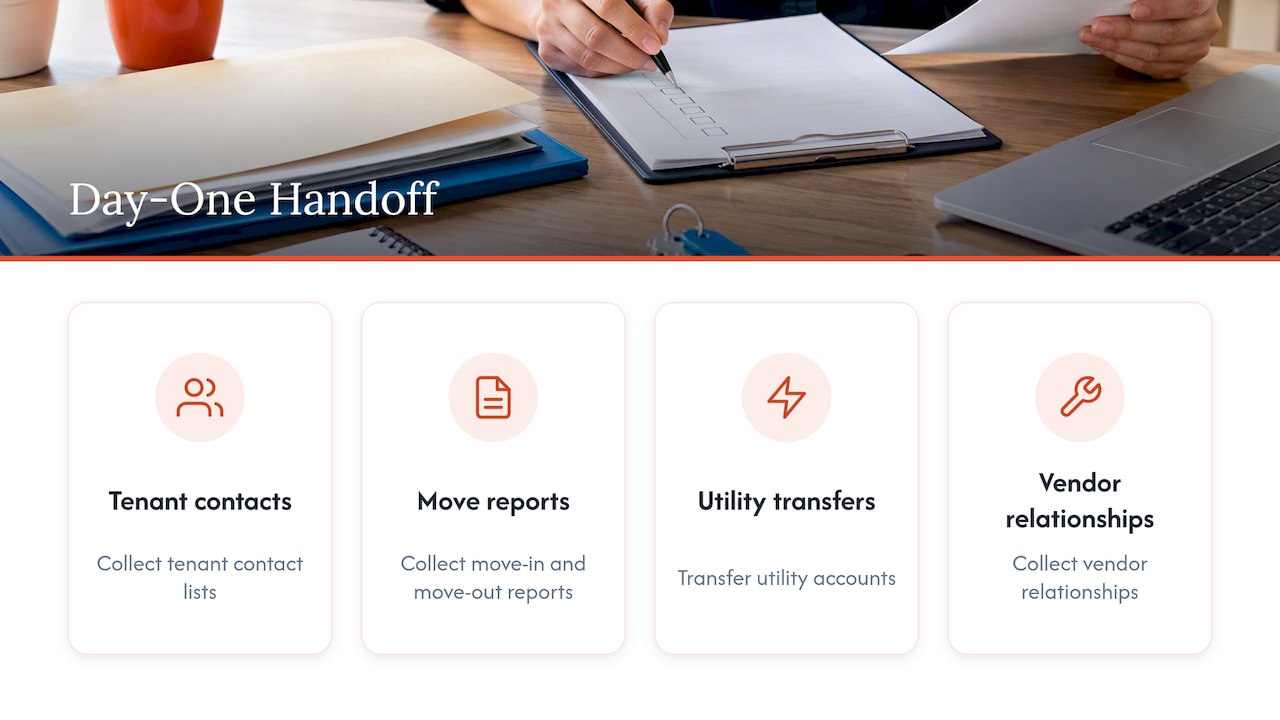
Our team repeats the same transition steps on every new property. Current rent roll modeling is prudent, which matches Freddie Mac’s appraisal guidance, because market rent is an upside, not an assumption. On day one we collect tenant contact lists, move-in and move-out reports, utility account transfers, and vendor relationships.
Pro Tip: Send tenants one clear notice with the new payment instructions before the first rent due date, so collections never pause during the handoff.
Why I treat due diligence as a discipline
At MediaBeast, we publish this checklist because skipped steps cost investors more than any fee ever will. Auben Realty has worked across many properties, and the pattern repeats: deals rarely fail on one dramatic flaw, but on small unchecked assumptions that compound. Hire a licensed inspector, bring in property-management support if you are new, and let the documents decide.
— MediaBeast
How we help you carry out this checklist

We turn each checklist step into work our team already does:
- Our brokerage team sources properties and negotiates.
- Project management oversees repairs.
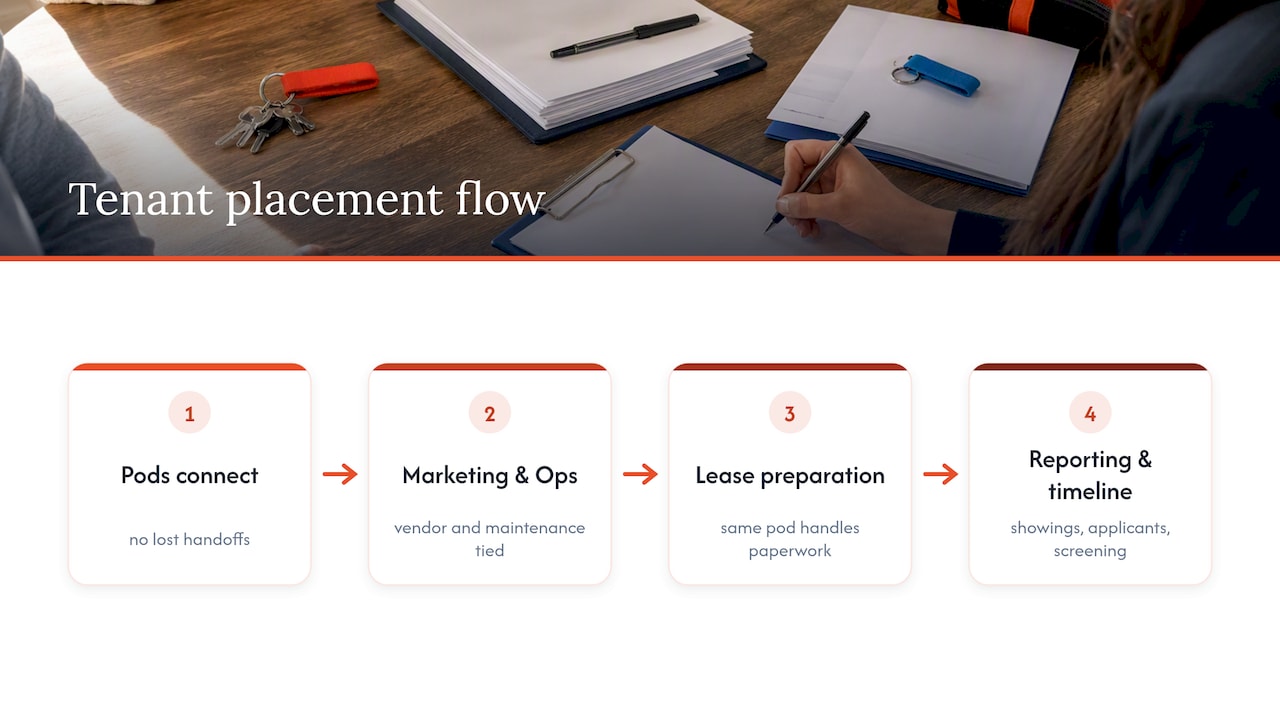
- Property management handles rent collection and tenant screening.
- Asset management delivers reporting.
Start with a free rental analysis and we will walk through your numbers with you.
This article is general information, not a substitute for advice from a qualified financial advisor. Consult a qualified financial professional about your own circumstances before acting on anything here.
FAQ
What is the 7% rule for rental property?
It is an informal screening shortcut, not a legal or industry standard. Definitions vary, so confirm what a source means by it, then replace it with a real NOI and cash-on-cash analysis built from verified rents and expenses.
What are red flags in due diligence?
Rent roll figures that do not match bank deposits or leases are the biggest warning sign. Others include missing deposit records, a seller who delays documents, unexplained water staining, and an insurance history with nonrenewals.
Can a seller back out during due diligence?
That depends on your purchase contract and local law. In general, the contingency period protects the buyer’s right to cancel, so ask your attorney or agent how your contract treats seller termination.
What is the 2% rule in rental property?
It is a rough screening idea suggesting monthly rent should equal a fixed percentage of the purchase price. It ignores taxes, insurance, repairs, and vacancy, so use it only to decide what to analyze further, never to decide what to buy.
Sources
- Lead-Based Paint Disclosure Rule (Section 1018 of Title X) | US EPA
- Publication 527 (2025), Residential Rental Property | Internal Revenue Service
- What questions should I ask about flood and disaster risk when buying a house? | Consumer Financial Protection Bureau