Rent Collection Process: 5 Steps Shaped by 2,700 Properties
October 12, 2026
An effective rent collection process rests on three moving parts: clear lease terms that spell out due dates and fees, a payment method tenants will actually use, and automated reminders that catch problems before they become patterns. Get those three right and most of what follows, from late notices to tax reporting, becomes routine paperwork instead of a monthly headache. The rest of this guide walks through the checklist, the templates, and the legal guardrails that make it hold up.
TL;DR:
- Set the lease due date and any 3 to 5 day grace period, then contact tenants within three days of a missed payment before escalating.
- Use an online portal with ACH as the primary method; card fees run 2% to 3%, while checks and cash require more manual tracking.
- Offer a short extension or written repayment plan before formal action; over half of renters receiving a first late fee are current next month.
- Put late fee rules, accepted methods, partial payment handling, and repayment terms in writing, and disclose every mandatory charge before the lease is signed.
- Keep a per unit ledger and reconcile receipts with deposits; report rent and advance rent as income when received, but track security deposits separately.
Table of Contents
- Your monthly rent collection checklist and timeline
- Choosing payment methods: what each one costs you in time and money
- Writing lease language that holds up when you need to enforce it
- Automating reminders so nothing slips through
- What to do when rent is late or missed
- Keeping records straight for taxes and disputes
- Reducing late payments before they happen
- Templates and a one-page checklist you can copy
- How 2,700 properties taught us what actually works
- Rent collection works better as a partnership
- Let us manage rent collection for you
- FAQ
- Sources
Your monthly rent collection checklist and timeline
Rent collection works best as a repeating cycle, not a reaction to missed payments. Set the due date in the lease (the 1st of the month is standard), define whether rent posts on the date received or the date deposited, and spell out a grace period if you offer one, often 3 to 5 days.
From there, the monthly cadence looks like this:
- Five days before the due date: send a friendly reminder through your payment portal, email, or text.
- On the due date: confirm payments as they post and flag any account that hasn’t paid by end of day.
- One to three days after the grace period ends: send a late notice that states the amount owed, the late fee applied, and the new total due.
- By day seven to ten of delinquency: make direct contact by phone or email to understand the situation and document the conversation.
- By day fifteen: decide whether a repayment plan, a formal notice, or continued monitoring is the right next step.
Partial payments need their own rule. Decide in advance whether you’ll accept partial rent and how it applies (to the oldest balance first, typically), because accepting money without a plan can complicate a later eviction filing. The CFPB recommends landlords consider adjusting due dates, waiving late fees, or offering structured repayment plans before moving toward eviction, and that sequencing matters: tenants who get an early, flexible offer are more likely to recover than tenants who get an immediate notice to vacate. Build a pause point into your escalation process where you evaluate whether a short-term accommodation solves the problem before you spend money on legal steps.
Choosing payment methods: what each one costs you in time and money
Not all payment methods cost the same once you count processing fees, reconciliation time, and the risk of a bounced check. Here’s how the common options stack up operationally:
- Online portals and ACH transfers: low fees (often flat, under $5), fast posting, and automatic reconciliation, making this the backbone of most rent collection processes.
- Credit and debit cards: convenient for tenants but carry processing fees of 2 to 3%, which landlords typically pass to the tenant rather than absorb.
- Paper checks: no processing fee but slower to clear, harder to track, and vulnerable to NSF fees that CFPB data say are close to the typical fee charged, on average.
- Money orders: reliable funds but require in-person deposit and manual logging against your ledger.
- Cash: immediate but risky to handle and track, and it leaves no automatic paper trail for tax or dispute purposes.
For most landlords, a realistic default stack is an online portal with ACH as the primary method, card payment available for tenants willing to cover the fee, and check acceptance limited to tenants without bank access. Storing physical cash or checks on-site also raises a security question worth planning for, and resources like Safes and Security Direct’s guidance on handling rent deposits cover practical storage options if you still collect paper payments.
Pro Tip: Require ACH or portal payment in the lease for new tenants, and grandfather existing tenants onto it gradually. A single collection method cuts reconciliation errors dramatically.
Writing lease language that holds up when you need to enforce it
Vague lease language is the most common reason a late fee or collection attempt gets challenged. Every lease should spell out:
- The exact due date and whether rent is due on receipt or on deposit.
- The grace period length, if any, and when late fees start accruing.
- The late fee formula (flat amount or percentage) and the NSF fee for returned payments.
- The accepted payment methods and any fee the tenant bears for using a specific one.
- How partial payments are applied and whether accepting one waives any right to act on the full balance owed.
Fee transparency matters beyond the lease itself. The FTC’s enforcement action against a major property manager for hiding mandatory recurring fees shows regulators expect every mandatory charge disclosed clearly before a lease is signed, not buried in fine print or added later. If a fee is required of every tenant, it needs to appear in the advertised rent or be stated prominently during leasing, not introduced as a surprise on the first invoice.
When you agree to a repayment plan, put it in writing: the amount owed, the payment schedule, and what happens if a scheduled payment is missed. A verbal agreement is hard to enforce and even harder to document for a later legal filing.
Automating reminders so nothing slips through
A portal that sends reminders automatically removes the single biggest point of human error in rent collection: forgetting to follow up. The cadence that works for most landlords includes a reminder three to five days before the due date, a confirmation or thank-you message once payment posts, and a short automated series after the due date passes, typically one message the day after, another at day five, and a final one before late fees apply.
Automation only helps if it preserves a record. Every reminder sent, every payment confirmed, and every failed transaction should log automatically to the tenant’s file, because that history is exactly what you’ll need if a dispute or eviction filing comes later.
- Connect your payment portal directly to your bank feed so deposits reconcile without manual entry.
- Keep a digital audit trail of every reminder, receipt, and failed payment attempt tied to the tenant record.
- Review failed or returned payments weekly rather than waiting for the tenant to report them.
Pro Tip: Set your portal to flag any payment that fails twice in a row. A repeat failure usually signals a bigger problem than a one-time banking error.
What to do when rent is late or missed
The first 48 hours after a missed payment matter most. Confirm the payment genuinely didn’t post (bank delays happen), check your records for any prior late history, and document the date and amount owed before contacting the tenant.
- Make contact early, by phone or email, within three days of the missed due date, and keep a written record of what was discussed.
- Offer an accommodation if the tenant’s situation is temporary: a short extension, an adjusted due date, or a referral to a local rental assistance program.
- Put any agreement in writing, including the repayment schedule and consequences for missing it.
- Escalate only after accommodations fail or go unanswered, moving to a formal notice, then a collection agency or attorney if the balance remains unresolved.
CFPB payment data show why early outreach pays off: over half of renters who incur a first late fee are current again the following month, while roughly 42% incur another late fee, and a significant share remain delinquent five months later. That pattern supports giving tenants a real chance to recover before treating a single late payment as a long-term problem.
If you bring in a third-party collection agency, federal law under the FDCPA governs what they can say and do, and you’re responsible for confirming any agency you hire follows those rules. Eviction timing varies significantly by state and even by city, so confirm your local notice period and filing requirements before issuing a formal notice; a state-by-state eviction process overview is a useful starting point, but local counsel should confirm specifics.
Keeping records straight for taxes and disputes
Every rent payment needs a paper trail: a ledger entry, a receipt, and a matching bank deposit. Track late fees and NSF fees separately from base rent so your books reflect what tenants actually owe versus what they’ve paid.
- Maintain a per-unit ledger so disputes can be resolved with documentation rather than memory.
- Log partial payments and advance payments the month they’re received, not when they’re expected.
- Reconcile portal transactions against bank deposits regularly to catch processing errors early.
For tax purposes, the IRS requires landlords to report rent and amounts received as rent as gross income on Schedule E, including advance rent and any payment a tenant makes on your behalf, in the year it’s received. Security deposits are treated differently: they’re not income unless you keep part or all of one for damages or apply it as last month’s rent, a distinction worth tracking separately in your ledger from day one.
Reducing late payments before they happen
Prevention is cheaper than collection. Thorough tenant screening, including income verification and rental history, remains one of the most reliable predictors of on-time payment behavior.
- Screen for verifiable income at two to three times the monthly rent and check prior landlord references.
- Offer a small autopay discount or renewal incentive to reward consistent on-time payment.
- Walk every new tenant through the payment process and due dates during move-in orientation.
Pro Tip: A five-minute move-in conversation about how and when rent is due prevents more late payments than any reminder system. Retention and leasing tactics that keep good tenants in place, covered in our leasing season guide, reinforce the same goal: fewer vacancies and fewer payment surprises.
Templates and a one-page checklist you can copy
Keep these short and specific. A pre-due reminder might read: “Your rent of [amount] is due on [date]. Pay through your portal to avoid late fees.” A late notice should state the amount owed, the fee applied, and the new total, with a clear deadline to respond. A repayment plan outline needs the total owed, a payment schedule with dates and amounts, and a line confirming what happens if a scheduled payment is missed.
For a one-page checklist, cover: due date and grace period, reminder schedule, late notice trigger, contact and documentation step, repayment plan option, and escalation trigger. Confirm local notice periods and required language before using any template, since requirements vary by state and sometimes by city.
How 2,700 properties taught us what actually works
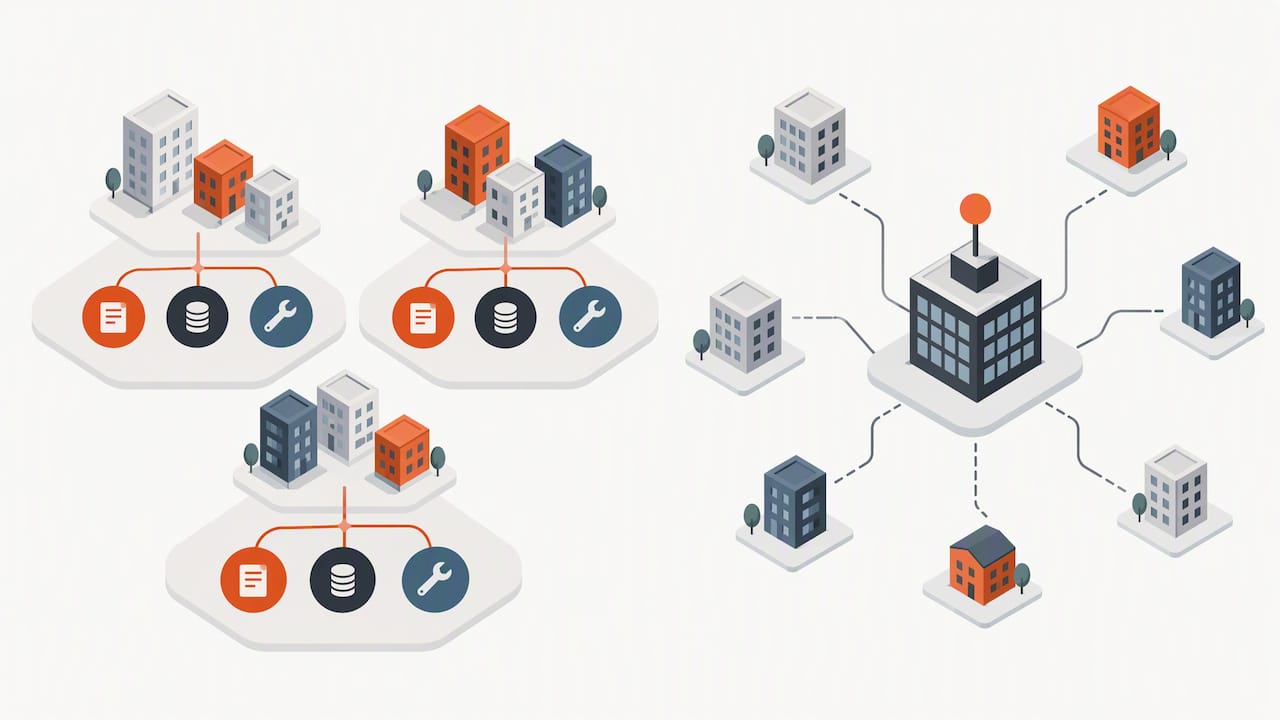
Managing rent collection across thousands of units surfaces patterns that a single rental never reveals. Over more than 15 years managing around 2,700 properties across multiple markets, we’ve organized our teams into pods so that the same small group handles leasing, collections, and maintenance for a given portfolio, keeping communication consistent instead of routed through a call center. That structure is why the checklist above reflects what holds up in practice: early contact, written agreements, and reconciled records solve far more problems than aggressive enforcement does. For more on how reliable collection ties into property performance, see our piece on why rent payments finally matter.
Rent collection works better as a partnership
The landlords who struggle least with late rent treat collection as an ongoing relationship, not a once-a-month transaction. Documented flexibility, early conversations, and consistent follow-through build more reliable payment habits than strict enforcement alone. Always confirm your local landlord-tenant law and consult an attorney before taking formal action.
— MediaBeast
Let us manage rent collection for you
Running the checklist above every month, for every unit, is exactly the work our property management team handles day to day. We place qualified tenants, collect rent through online payment systems, maintain per-unit ledgers, and manage the notice and escalation process when a payment problem arises, including coordination with legal counsel when eviction becomes necessary.

That means fewer hours spent chasing payments and more predictable cash flow, with maintenance coordination built into the same team handling your rent collection. If you’re ready to hand off the monthly cycle, our property management services page outlines how we structure that work for owners.
FAQ
How long before unpaid rent goes to collections?
There’s no universal timeline; it depends on your lease terms and state law, but most landlords wait until a formal notice period has passed and direct contact and repayment options have failed, often 30 to 60 days of continued nonpayment. Confirm your state’s specific requirements before referring an account to collections.
How do landlords usually collect rent?
Most landlords today use an online payment portal with ACH transfers as the primary method, often combined with limited acceptance of checks or money orders for tenants without bank access. Automated reminders and portal-based receipts have made this the most common setup because they reduce manual reconciliation.
How many days of late rent trigger eviction proceedings?
Notice periods and allowable timelines before filing for eviction vary by state and sometimes by city, so there’s no single number that applies everywhere. Always confirm your local notice period and required documentation before starting a formal eviction process.
How long can a tenant be in arrears before a landlord must act?
There’s no fixed national rule, since landlord-tenant law varies by state, but CFPB data show many tenants who fall behind recover within a month or two, which supports allowing a short window for repayment plans before escalating. Acting sooner with documented communication protects you legally regardless of how long arrears continue.
Sources
- Help for renters | Consumer Financial Protection Bureau
- Topic No. 414 Rental income and expenses | IRS
- FTC, State of Colorado take action against Greystar for deceptive fee practices