Late Rent for Landlords: Document First, Offer Repayment Before Eviction
October 16, 2026
If rent is unpaid, check your lease for the due date and grace period, then serve the required written notice and document everything. Open a neutral written line of communication with the tenant and preserve proof of every collection attempt. The CFPB encourages repayment options before court, and our team at Auben Realty follows that order across the properties we manage.
TL;DR:
- A grace period often delays late fees, not the right to serve notice, so confirm state law before treating it as extra time to pay.
- Notice deadlines vary by state; pay or quit periods commonly run three to five days, and notices must state rent owed and payment instructions.
- Before filing, offer a written repayment plan or coordinate rental assistance; repayment commonly spans six to twelve months, with installments and default terms documented.
- After serving notice, check state law before accepting rent, which can restart eviction; never change locks, shut off utilities, or remove belongings without court authority.
Table of Contents
- How do you confirm that rent is actually late?
- What should you do in the first 72 hours after a missed payment?
- What written notices are required, and how do timelines vary by state?
- Should you offer a repayment plan before filing?
- When filing is necessary, what does the court process look like?
- What happens after you win a judgment?
- What counts as illegal self-help eviction?
- What records should you keep and for how long?
- How we handle late rent at Auben Realty
- How we take late rent off your plate
- FAQ
- Sources
How do you confirm that rent is actually late?
Lateness is a contract question before it is a legal one. Open the signed lease and find three things: the due date, any grace period, and the clause that defines when rent counts as late. Some leases treat rent as late at midnight on the due date. Others give a grace period before a late fee applies. A grace period usually governs the fee only, so check state law before assuming it also delays your right to serve a notice.
Next, assemble the paper trail before you contact anyone:
- The signed lease and any addenda
- The rent ledger for the full tenancy
- Bank deposit records and payment portal logs
- Copies of receipts, money order stubs or check images
- Any earlier late notices or written payment agreements
A usable ledger entry has a few plain fields: date billed, date received, amount, payment method (portal, check, money order) and a note field. For example, if a tenant makes a partial payment by portal, record the amount, date and method. That partial payment, its date and its method belong in the ledger exactly as they happened, because a judge will read the ledger line by line.
What should you do in the first 72 hours after a missed payment?
Speed matters, but so does restraint. Follow this order before anything formal:
- Send a neutral written reminder by e-mail, text or portal message. State the amount, the due date and how to pay. Keep the tone factual.
- Save proof of the method and time stamp, such as a screenshot or sent-mail record.
- Record every tenant response and any promised payment date, in the tenant’s own words where possible.
- Upload all of it to the property file or management portal the same day.
- Decide whether to offer a short repayment plan, accept a partial payment, or move toward a formal notice.
- Calendar the next dates: when the reminder expires, when a notice could be served, and when you will follow up.
Pro Tip: Before accepting any money after you serve a formal notice, check your state rules. Taking rent during the notice period can, in some places, end the eviction and force you to start over.
That caution is reflected in HUD housing counselor training, which notes that accepting rent during the process can end an eviction. If you want a deeper look at how we structure collection from day one, our rent collection process walks through it.
What written notices are required, and how do timelines vary by state?
The notice is the document a judge checks first. A defective notice can get a case dismissed no matter how much rent is owed. Most nonpayment notices, often called pay-or-quit notices, need the same core contents:
- Tenant name and the rental address
- The exact amount of rent owed, with no unrelated charges bundled in
- A clear deadline to pay or leave
- How and where payment can be made
- The date and your signature
California’s court self-help guide is explicit that a 3-day notice to pay rent or quit must include the tenant name, rental address, exact amount owed, payment deadline and payment instructions, and cannot mix in other charges. Texas courts likewise note that the right notice type must come first and that a notice to vacate or pay rent must be in writing unless the lease allows electronic delivery.
Timelines differ sharply. HUD training material lists pay-or-quit periods of 3 to 5 days as common, while cure-or-quit and unconditional-quit notices can run from immediate up to 30 days. Virginia now requires a 14-day written nonpayment notice before an eviction action can begin.
Federal change for subsidized housing: The Federal Register notice revoked HUD’s 30-day notification requirement and returned public housing and PBRA timing to pre-2021 practice, so state and program rules now set the clock.
Serve the notice in a way you can prove: personal delivery with a witness, certified mail, or posting plus mailing where the law allows. Keep a signed proof-of-service record. If your lease and state law disagree, follow the stricter or longer requirement. The LSC Eviction Laws Database maps procedures by jurisdiction and is a practical place to check before you draft.
Should you offer a repayment plan before filing?
Often, yes. Eviction means vacancy, legal fees, turnover costs and lost rent, and the CFPB recommends repayment plans such as splitting back rent into smaller installments or adjusting the due date to match when the tenant gets paid. Some programs waive late fees and interest as an incentive for sticking to the schedule, and repayment commonly runs six to twelve months. Legal Services Corporation research also frames eviction as a last resort because of those downstream costs.
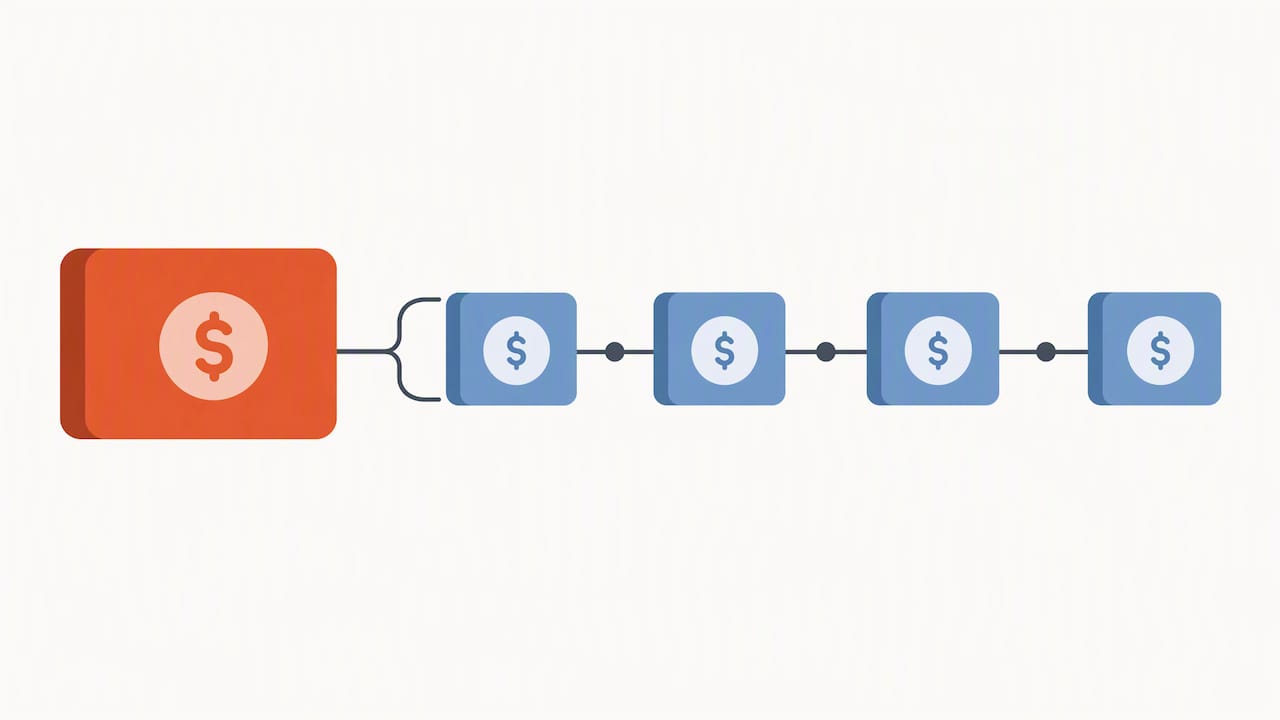
Rental assistance is the other lever. CFPB materials say landlords can take part in assistance applications, and many programs accept applications from either side. Landlord involvement tends to speed things up. Programs vary in documentation requirements, so ask what each one needs.
A repayment agreement only protects you if it is written. Include:
- The total arrears and the exact amount of each installment
- Due dates for every payment
- What counts as default and what happens then
- Whether any late fees are waived, and on what condition
- Signatures and dates from every adult on the lease
Pro Tip: Put the agreement in writing even when the amount is small, and state that the plan does not waive your right to serve a notice if the tenant defaults.
When filing is necessary, what does the court process look like?
If the notice period expires without payment or a signed plan, you can file an unlawful detainer (the eviction lawsuit). Before you do, gather your proof that notice was properly served, the lease, the ledger, receipts and communications. Missing paperwork is a common reason landlords lose time.
In a typical local procedure, after you file, the court issues a notice of petition, and the tenant usually has a short window to answer, often about five days. Exact windows vary, so confirm with your court clerk. Here is the usual path:
- File the petition with the notice, ledger and lease.
- The court sets a date and issues the summons or notice of petition.
- The tenant is served and has a short period to answer.
- A resolution or mediation session often comes first.
- If no agreement is reached, the case goes to trial, where you present your documents and any witnesses.
CFPB guidance also explains what happens when a suit is filed: tenants can file an answer and ask for more time while assistance applications are processed, and landlords have a role in helping those applications along. Expect that mediation to be a real opportunity to settle on terms you can enforce.
Budget for costs: filing fees, service fees, possible attorney fees and the rent you lose while the case moves. In some courts the filing fee can be added to the judgment, which improves your net recovery, but it only helps if the tenant can actually pay.
What happens after you win a judgment?
A judgment does not move anyone out by itself. You request a writ of possession, and the sheriff or marshal carries out the eviction on a scheduled date after giving the tenant minimum notice. Local sheriff pages, such as Fairfax County’s, describe how writs and scheduling work.
- Check the appeal window before you schedule enforcement, since an appeal can pause or complicate possession.
- Request the writ from the court and pay the enforcement fee.
- Coordinate the date with the sheriff or marshal, and do not touch the unit or the tenant’s belongings until the officer has acted.
- Pursue the money judgment through options such as wage garnishment or liens where state law allows.
Be realistic about collection. A judgment is only as good as the tenant’s ability to pay, and many landlords recover only part. If a rental has become a chronic problem, some owners weigh selling instead, and this guide to selling a house with tenants covers that path.
What counts as illegal self-help eviction?
Frustration is understandable, but shortcuts are costly. Self-help evictions are illegal in most U.S. jurisdictions, and practitioner guidance such as this UNC School of Government material warns of civil liability and criminal exposure for landlords.
Avoid every one of these:
- Changing or removing locks without a writ of possession
- Shutting off water, electricity, heat or other utilities
- Removing doors, windows or appliances to force a tenant out
- Throwing away or storing the tenant’s belongings without a court order
- Threatening or harassing a tenant to leave
Beyond damages, these acts wreck your credibility with the judge. When in doubt, make a quick call to a landlord-tenant attorney before acting.
What records should you keep and for how long?
Courts and collection actions reward the landlord who can produce clean files fast. Preserve:
- The lease, addenda and move-in condition photographs
- The full rent ledger with date billed, date received, amount, method, reference number and notes
- Every notice with its proof of service
- Payment receipts and bank records
- All tenant communications and repair or work orders
Keep files for at least the length of the tenancy plus the statute of limitations in your state, and confirm that period with a local attorney. Store records in the cloud with a local backup so one lost device never costs you a case.
How we handle late rent at Auben Realty
Our sequence is deliberate: early outreach, a repayment-first conversation, a properly served notice if that fails, and court only when the other steps are exhausted. We favor structured plans and rental-assistance coordination because they usually recover more rent than a contested filing. Every step gets documented, so if escalation is needed, the file is already ready. If you are facing a complex delinquency, we are glad to help coordinate it.
— MediaBeast
How we take late rent off your plate
When you would rather not run this process yourself, our property management team handles it end to end. We have a repeatable system:
- Rent collection and tenant communications
- Repayment-plan negotiation
- Notice preparation and eviction coordination
- Complete recordkeeping for every unit
Contact us about property management to schedule a consultation.

This article is general information, not a substitute for advice from a qualified lawyer. Consult a qualified legal professional about your own circumstances before acting on anything here.
FAQ
What happens at an eviction hearing for non-payment of rent?
Many courts start with a resolution or mediation session, then move to trial if no agreement is reached. You present your lease, ledger and proof of notice, and the judge decides whether to grant possession and any back rent.
How do you evict a tenant in Chicago?
Chicago rules are set locally, so check the Cook County court rules and city ordinances before serving anything. The general path is the same as elsewhere: a valid written notice, then an unlawful detainer filing, then a court order enforced by the sheriff.
What is classed as late rent?
Your lease controls. Rent is typically late once the due date and any grace period have passed, and the grace period often affects fees more than your right to serve a notice, so confirm state law.
How do you write a late notice for rent?
Keep it short and factual. Include the tenant’s name, the rental address, the exact amount owed, the payment deadline, how to pay, and the date, and do not add unrelated charges.
Sources
- [Federal Register
::
Revocation of the 30-Day Notification Requirement Prior To Termination of Lease for Nonpayment of Rent](https://www.federalregister.gov/documents/2026/02/26/2026-03921/revocation-of-the-30-day-notification-requirement-prior-to-termination-of-lease-for-nonpayment-of) - LSC Eviction Laws Database | LSC – Legal Services Corporation: America’s Partner for Equal Justice