Scope of Work for a Rental Rehab: How to Write One
November 13, 2026
A rental rehab scope of work is a written, line-item list of every task, material and finish standard in the project, plus what is excluded and how each item is judged complete. Write it well and two contractors price the same job, your budget holds, and the unit gets leased on schedule. Write it loosely and you pay for the gaps through change orders and delays. At Auben Realty, our project management service is built around exactly this document, so below is the process in full, step by step.
TL;DR
- A scope of work lists what will be done, with which materials, in which room, to what standard, and what is not included.
- Inspect first, then write: safety and code items, then building systems, then finishes and curb appeal.
- Send the same scope to at least three contractors and require line-item pricing so bids can be compared.
- Hold a contingency of 10% to 15% for cosmetic work, and more when the property’s condition is unknown.
- Tie the schedule to your target lease date, and log every change with its cost and schedule impact.
Table of Contents
- What a rental rehab scope of work actually is
- Step 1: Define the goal before you list the work
- Step 2: Assess the property before you write a line
- Step 3: Organize the scope by room, then by system
- Step 4: Specify materials, allowances and exclusions
- Step 5: Separate must-do repairs from optional upgrades
- Step 6: Turn the scope into comparable bids and a real budget
- Step 7: Put the schedule, permits and approvals in writing
- Step 8: Inspect the finished work before you lease
- Where owners lose money on rehab scopes
- How we approach this at Auben
- Our view: the scope is the project
- FAQ
- Sources
What a rental rehab scope of work actually is
Think of the scope as the one document everything else is built from. Contractors bid from it, the budget is calculated from it, and the timeline runs off it. RealEstateSkills makes the same point: a vague scope produces vague bids you cannot compare.
A useful scope answers five questions for every line:
- What exactly will be done?
- Where in the property?
- With what material, brand tier or specification?
- How much (quantity and unit)?
- How will we know it is finished?
The test of a good scope is simple. Two qualified contractors can read it and price substantially the same job. If one bid comes in 30% lower than the rest, you want to be able to see which line it skipped, not wonder whether the contractor is cheaper or just did not read the same job.
A scope is not a wish list and it is not a budget, although it feeds both. It is also different from a rehab for a flip. A rental scope is written for durability and fast turnover: finishes that survive tenants, systems that will not generate emergency calls, and a schedule that ends with a rent-ready unit.
Step 1: Define the goal before you list the work
Start with the result you need. A rental scope usually serves one of three goals:
- Make-ready or light rehab. Paint, flooring, fixtures, cleaning and small repairs to get a vacant unit leased.
- Value-add renovation. Kitchens, baths, and systems that raise the rent and the property’s value.
- Full rehab of a distressed property. Structural, mechanical, roofing and envelope work before the first tenant moves in.
Write the goal at the top of the scope in a sentence or two, with the target rent or the target lease-up date. Every line item then has to earn its place. A new backsplash may be nice, but if the goal is a durable unit leased in 45 days, it belongs in the optional column.
If you are still deciding which projects are worth doing, our guide to the best renovations for your rental property covers what tends to pay back, and our piece on CapEx planning for rentals shows how to forecast big components such as roofs and HVAC rather than guess.
Step 2: Assess the property before you write a line
You cannot scope what you have not seen. Walk the property with a checklist and record everything, with photos and notes, before anyone bids.
A professional property condition assessment records the key building attributes: the facade, roof system, foundation, heating and hot-water systems, electrical wiring type, plumbing supply and drain type, and fire suppression. The state housing finance agency example in North Carolina’s detailed work write-up form lays out this list, and it references the ASTM E2018 standard for the assessment, to be completed by a licensed architect, general contractor, engineer or home inspector. For a small rental you may not need a full formal assessment, but the list of systems is exactly what you should capture.
Walk in this order:
- Health and safety first. Gas smells, active leaks, mold, electrical hazards, missing smoke and carbon monoxide detectors, broken stairs or railings.
- Building systems. Roof, gutters, drainage, foundation, HVAC, plumbing, electrical panel and wiring.
- Unit interiors. Floors, walls, cabinets, counters, doors, windows, fixtures.
- Exterior and curb appeal. Siding, paint, landscaping, fencing, parking.
- Energy and water efficiency. Insulation, windows, water heaters, fixtures.
This order mirrors the one Buildium recommends for preparing renovations: document current condition first, with photos and notes, then put health and safety ahead of cosmetics. It also advises reviewing maintenance tickets from past residents, which often reveal the repeat problems a one-hour walkthrough misses.
Hidden items that blow up budgets
Watch for the items that turn a cosmetic job into a structural one: poor drainage, roof and gutter failures, slow plumbing leaks, wood-destroying pests, and old wiring or an undersized panel. Mark each one as either a confirmed line item or a named unknown, which goes to the contingency in Step 6.
Our due diligence guide for rental property explains how to verify what a property really needs before you commit to a purchase price.
Step 3: Organize the scope by room, then by system
Contractors walk a property room by room, so a room-based layout is the easiest to bid. A system-based section (roof, HVAC, plumbing, electrical) sits alongside it for work that does not belong to one room. The North Carolina form above says a detailed scope should be organized logically, by room or by system, with quantities and measurements precise enough to secure comparable bids.
A workable structure:
| Section | What it holds |
|---|---|
| Project overview | Address, year built, goal, target completion and lease date |
| Project-wide requirements | Permits, dumpster, cleanup, protection of finished surfaces, working hours |
| Room-by-room line items | Each task with specification, quantity, unit and notes |
| Systems and envelope | Roof, HVAC, plumbing, electrical, windows, siding, drainage |
| Allowances and exclusions | What is priced at a set amount, and what is not included |
| Acceptance criteria | How each line is judged complete |
| Budget and schedule | Costs by line, contingency, milestone dates |
What goes in each room
For every room, run the same prompts so nothing is forgotten: demolition required, framing or structural changes, electrical, plumbing, HVAC, insulation and drywall, paint, flooring, trim and finish carpentry, and room-specific items such as cabinets or vanities. A line should read like this:
| Room | Item | Specification | Qty | Unit | Notes |
|---|---|---|---|---|---|
| Kitchen | Flooring | Luxury vinyl plank, 20 mil wear layer, color selected by owner | 140 | sq ft | Remove existing, level subfloor |
| Bath 1 | Vanity | 30-inch stock vanity with top, owner-supplied faucet | 1 | each | Reuse existing shutoff valves |
| Living room | Paint | Two coats, flat ceilings, semi-gloss trim | 620 | sq ft | Patch drywall first |
This item, specification, quantity, unit, notes layout is the one Real Estate Investing Edge uses, and its reasoning is sound: when items are named and counted, contractors bid identical work, and anything left off cannot be quietly added later as a change order.
Typical work packages for rentals
Most rental scopes draw on the same set of packages: demolition and haul-off, framing and carpentry, roofing, HVAC, plumbing, electrical, drywall and texture, cabinets and countertops, flooring, painting, doors, trim and hardware, exterior repairs, landscaping, and final cleaning. Not every property needs all of them. The point is to decide on each one deliberately rather than discovering it halfway through.
Step 4: Specify materials, allowances and exclusions
Three things separate a clean scope from a dispute.
Specifications. Name the product tier or standard, not just the category. “Flooring” can mean a $2 per square foot or a $7 per square foot product. For rentals, choose durable, repeatable finishes, so the next turn means buying the same paint color and the same plank rather than starting over.
Allowances. When you have not picked a finish yet, set an allowance, a fixed dollar amount for that item, and keep it visible in the bid. A single total can hide very different scopes, so keep material allowances, demolition and disposal on their own lines.
Exclusions. State what is not included: landscaping, appliances, permit fees, work behind walls. An item that is not in the scope and not in the exclusions is where arguments start.
If you manage many units, standardizing these specs across properties is one of the quietest ways to lower cost and speed up turns. Our guide to the rental turn process shows how.
Step 5: Separate must-do repairs from optional upgrades
Tag every line with one of three labels:
- Required: safety, code and anything that stops the unit being habitable or insurable.
- Protective: items that prevent bigger costs soon, such as a roof near end of life or a leaking supply line.
- Optional: upgrades that raise rent or appeal but can be phased.
Housing rehabilitation guidance recommends letting the property’s real needs found in inspection drive the budget, recognizing that some items are discretionary and others are essential for a sound, well-maintained building, as described in the CIC rehab checklist. That is the logic to copy: fund the required and protective lines first, and price optional lines separately so you can add or drop them without rewriting the bid.
A lead paint note belongs in this step. If a rental was built before 1978, the EPA’s Renovation, Repair and Painting rule requires anyone paid to disturb painted surfaces to be certified in lead-safe work practices, and it applies to work in homes you rent out, according to the EPA’s RRP program page. Put a line in the scope that requires lead-safe certified crews for any pre-1978 property.
Step 6: Turn the scope into comparable bids and a real budget
Send the identical scope to at least three contractors, and require pricing against your rows rather than a single lump sum. Ask each bidder to separate labor, materials, allowances, exclusions, permits, schedule, payment terms, warranty and change-order rules. A low headline price is not a bargain when it leaves out work the other bids include, as TrueCap’s rehab estimating guidance points out.
When you compare, put the bids side by side line by line. Look for three things:
- Gaps. Lines the cheapest bid left at zero.
- Assumptions. Different quantities for the same task usually mean one bidder measured and one guessed.
- Terms. Payment schedule, warranty length, and how change orders are priced.
Contingency
Contingency is money held for the unknowns you named in Step 2. Common guidance is to hold 10% to 15% for cosmetic work. According to Archmaster’s renovation cost guide, suggested ranges climb to 15% to 20% for kitchen and bath work, 20% to 25% for full-house renovations, and 25% to 30% for older properties or unknown condition. The same guide says to keep contingency separate from upgrade decisions: if you choose a nicer countertop mid-project, that is scope creep and should come out of the upgrade budget, not the contingency.
The rehab budget is also more than construction. Add the costs that sit around the work:
- Permit, design, survey and testing fees.
- Temporary utilities, security and site protection.
- Financing, insurance, taxes and carrying costs during the work.
- Lost rent while the unit sits vacant.
- Cleaning, punch list and final inspections.
Lost rent is the one owners forget most often. A two-week delay on a unit that rents for $1,800 a month costs roughly $840 before a single change order, so the schedule belongs in your budget math.
Step 7: Put the schedule, permits and approvals in writing
Schedule backward from the lease date
Pick the date you want the first unit leased and work backward. Build milestones for scope and budget sign-off, permits, long-lead materials, trade start dates, and final inspections. Buildium’s guidance also suggests weekly check-ins with written follow-ups.
Avoid “ASAP” in a scope. Diplomat Property Loans advises using trackable durations instead, with milestones such as start, rough-in complete, inspections passed, finals and punch. Its example durations (demo 5 days, rough framing 7, rough mechanical 10, drywall 8, finals 6) are illustrations, not norms: your own bids set your own timeline.
Permits, licenses and insurance
Requirements vary by city and county, so ask your local building department which permits your scope triggers. As a model for what to write into the contract, a state housing finance agency’s general rehabilitation specifications require the contractor to obtain and pay for permits, bonds and licenses before starting, to arrange progress and final inspections with the local building department, and to carry adequate liability and workers’ compensation insurance. Write the same expectations into every rental scope, and get certificates of insurance before work begins.
Inspection timing matters too. A municipal rehabilitation manual from Palisades Park, New Jersey requires the contractor to notify the building inspector before closing up walls over new plumbing or electrical work. Copy that idea: no wall gets closed until the rough-in is inspected.
Change orders
Every change gets written down before it is done: what changed, the price, and the effect on the schedule. The same municipal manual describes a change order that is prepared, reviewed and signed by the owner and contractor once all parties agree on price. Keep a running log. When the log shows the budget climbing, you can decide with numbers whether to cut an optional line.
Step 8: Inspect the finished work before you lease
Walk the unit against the scope, line by line, using the acceptance criteria you wrote. Check that each item is complete, that permits are closed, and that you hold the final inspection approvals, warranties and any certificates. Even large lenders treat completion as a documented step: Fannie Mae’s multifamily guide requires that improvements be completed, with minor punch-list and weather-sensitive items allowed to remain only when funds are reserved in escrow, and it asks for permits and occupancy approvals before occupancy.
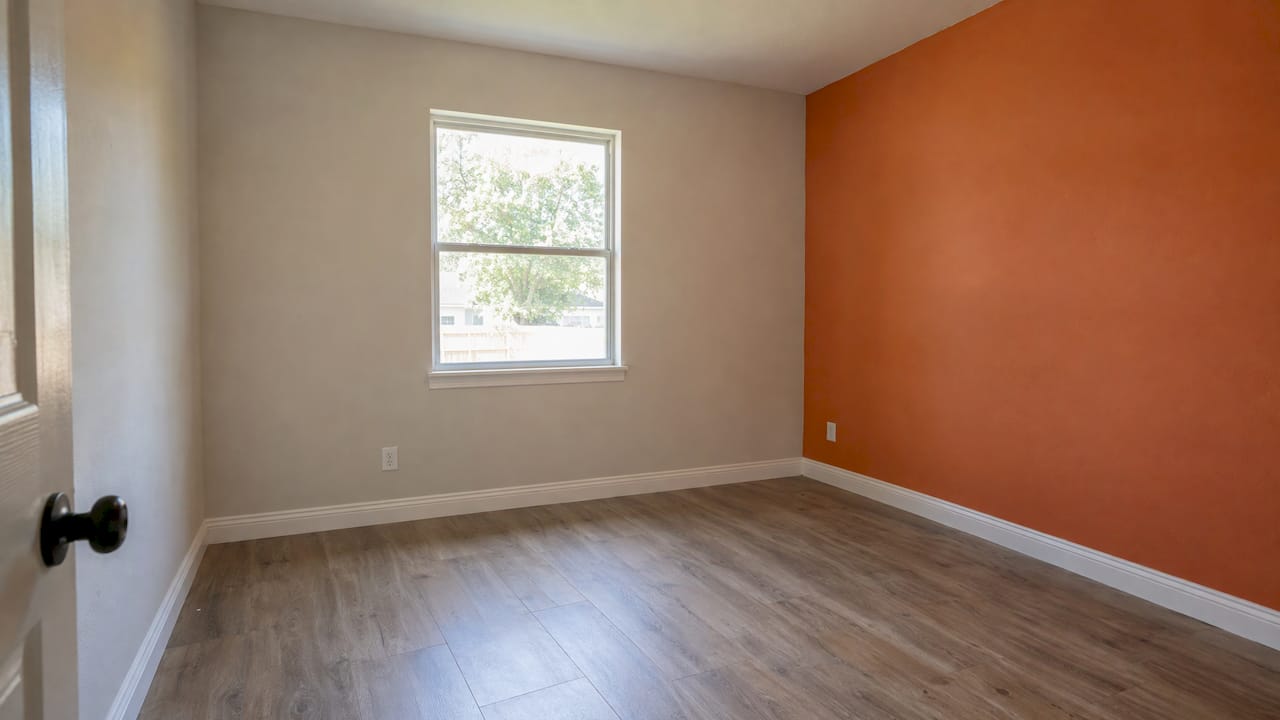
For your own rental, do the same: hold back a final payment until the punch list is done, photograph the finished unit for your move-in condition record, then clean and list.
Where owners lose money on rehab scopes
A few patterns repeat:
- One-line scopes. “Renovate kitchen” invites a bid based on assumptions.
- No exclusions. Everything not written down becomes a change order.
- No named unknowns. The sewer line, the subfloor under the tub, and the panel capacity are discovered during demolition instead of priced in the contingency.
- Upgrades paid from contingency. The cushion is gone before the real surprise arrives.
- No lease date. Without a deadline, trades drift to other jobs.
Our practical owner’s guide to rental renovation management goes deeper on keeping the project running once the scope is signed.
How we approach this at Auben
Writing the scope is half the job. Running it is the other half: collecting bids, checking them line by line, supervising trades, handling change orders, and getting the unit leased. If you would rather not spend your evenings doing that, Auben’s project management team handles renovation oversight for owners and investors. We work with a pod-based team structure, in-house maintenance and transparent vendor selection, across 10 regional markets including Charleston, Columbia, Fort Worth, Dallas-Fort Worth, Kansas City, Overland Park, Houston and Jacksonville. Over 15 years we have served 2,700 properties.
If you own a single-family, multifamily or build-to-rent property and want the rehab planned, overseen and followed by tenant placement, start with our project management service.

Our view: the scope is the project
Most rehab trouble we see traces back to the document, not the crew. When the scope is specific, bids are comparable, change orders are rare, and the owner knows what the unit will cost before the first wall is opened.
We write scopes with the whole ownership picture in mind: not just what makes the unit look good this month, but what keeps it earning. That means choosing finishes that hold up, planning systems before they fail, and lining up leasing so the unit does not sit empty after the work is done.
This is why we combine local market knowledge with investor-focused strategy. A scope for a Charleston single-family rental and one for a Houston multifamily building are different documents, because rents, codes, climate and contractor availability differ. Our in-house maintenance and transparent vendor selection are there so the people pricing and doing the work are visible to you.
Hands-off ownership is the goal. A scope you can trust, managed by a team you can reach, is how you get there.
MediaBeast
FAQ
What should a scope of work for a rental rehab include?
It should include a project overview and goal, project-wide requirements, room-by-room line items with specifications, quantities and units, systems and envelope work, allowances, exclusions, acceptance criteria, a budget with contingency, and a schedule. Each line should be specific enough that two contractors would price it the same way.
How much contingency should I hold on a rental rehab?
A common range is 10% to 15% for cosmetic work, rising to 20% to 25% for full-house renovations and higher when the property’s condition is unknown. Keep the contingency for discoveries and fund upgrade decisions separately.
Is a scope of work the same as a bid or an estimate?
No. The scope is your document describing the work. Contractors respond to it with bids that put a price on each line. Writing the scope first is what lets you compare those bids fairly.
Do I need permits and licensed contractors for a rental rehab?
Usually yes for structural, electrical, plumbing and mechanical work, though rules vary by city and county, so confirm with your local building department. If the property was built before 1978, the EPA’s lead-safe rule also applies to paid work on rentals.
Sources
- NCHFA detailed work write-up (Appendix G)
- RealEstateSkills: estimating rehab costs
- Buildium: rental property renovations
- Real Estate Investing Edge: scope of work template
- CIC rehab checklist
- EPA Lead Renovation, Repair and Painting Program
- TrueCap: how to estimate rehab costs
- Archmaster: how to calculate renovation cost
- Diplomat Property Loans: rehab contractor management
- General specifications for rehabilitation (WVHDF)
- Palisades Park Rehabilitation Manual
- Fannie Mae multifamily guide